
Baccarat tie bet explained isn’t about chasing the loudest payout on the felt; it’s a deliberate alternative for players who value pace, clarity and a slower rhythm over constant action. Most casual visitors treat the tie option like a novelty, but the real appeal sits in how it reshapes decision-making and table flow. When you understand the mechanics, the wager becomes a tool for managing tempo rather than a shortcut to profit. That mindset shift matters more than any advertised return.
Reading the Tie Option as a Pace Choice
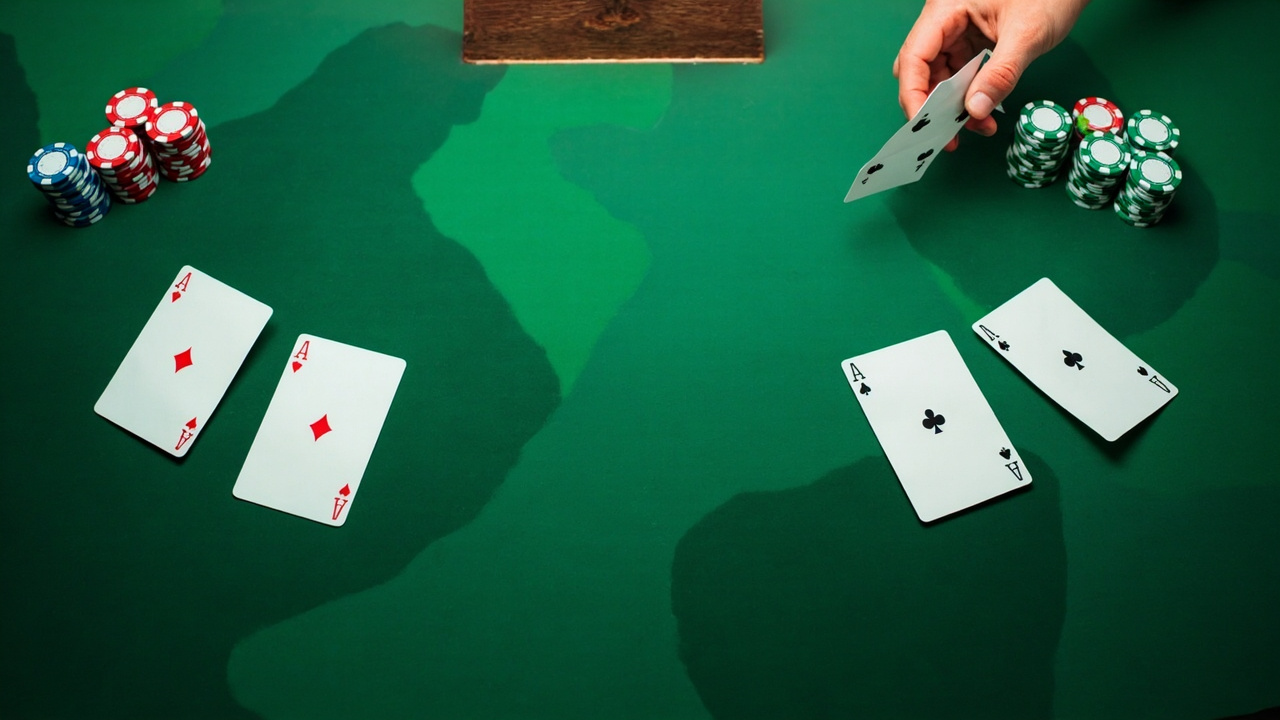
The focus here is straightforward: treat the tie wager as a tempo lever, not a headline grabber. A tie pays out when both the player and banker hands finish on identical totals, which happens often enough to matter but rarely enough to build a session around. The mathematics are unforgiving, yet the appeal for some Australians is exactly that tension – it slows the hand down and forces a clearer read on the shoe. Early totalisators used intricate mechanical gears to tally bets, and that same spirit of careful accounting still sits behind a disciplined tie approach. You’re not trying to outguess the shoe; you’re choosing a moment where the table’s rhythm matches your patience. That’s the practical lens, and it keeps the wager from becoming a reflex.
How the Mechanics Fit a Calmer Session
The payout trap and the actual odds
The advertised return looks generous on paper, which is precisely why it catches the eye. A typical tie payout sits at around eight to one, but the true frequency of tied hands means the house edge climbs quickly. That gap between the printed number and the realistic hit rate is the core trade-off. Players who enjoy the wager for its occasional spike rather than its long-run expectation tend to manage it better. The trick is to treat it as a measured side note, not the centre of the strategy. When you frame it that way, the tie option stops feeling like a trap and starts reading like a controlled experiment.
Where the pace actually lands on mobile
Mobile layouts have changed how often people even notice the tie button. A well-built interface keeps the option visible without pushing it into your face, and that restraint matters for session flow. Navigation that feels cluttered or visually noisy turns a calm wager into a distraction. Localisation also plays a quiet role here: clear Australian English copy, sensible currency display and a layout that doesn’t fight your thumb make the difference between a measured arvo session and a frantic one. The best setups let you tap the tie line, read the prompt, and move on without hunting through menus. That kind of everyday usability is what separates a thoughtful product from a noisy one.
Matching the Wager to Actual Player Needs
The link between the tie option and real player needs comes down to temperament. Some people want a faster, more repetitive loop; others prefer a slower, more observational rhythm where a single decision carries a bit of weight. Baccarat tie bet explained works best for the second group, because the wager rewards patience and punishes impulse. It also suits players who already understand the banker and player lines and want a secondary option that doesn’t derail their main read. When a platform presents the tie clearly, keeps the language plain and avoids overstyled graphics, it respects that slower pace. That’s where the wager earns its place: as a deliberate choice rather than a default click.
On the practical side, registration that doesn’t stall, payments that show up in familiar terms and support that answers without waffle all reinforce the same calm session feel. Loyalty mechanics that reward steady play rather than constant churn fit the same mindset. None of that turns the tie into a winning system, but it does make the option easier to use responsibly. The zone describes the trance-like, dissociative state some pokie players enter, and that’s exactly the headspace a tie-focused approach tries to avoid. You want awareness, not autopilot.
If you’re weighing whether the tie belongs in your routine, the honest read is that it suits a specific temperament and a specific pace. It’s a secondary tool for players who already know the table, prefer a measured rhythm and can live with the odds as they are. Packed tighter than a Melbourne tram on AFL Grand Final day, the ordinary baccarat flow can feel relentless; the tie option gives you a deliberate pause when you want one. For visitors comparing options, checking a clear, locally oriented setup like spinsamuraibonus.net can help you see how the wager sits alongside the rest of the table without overstating its role.
- Tie hand – a finished player and banker total that match exactly spinsamuraibonus.net
- Payout – the printed return for a winning tie wager, usually around eight to one
- House edge – the built-in mathematical advantage the table holds over time
- Shoe – the set of cards being dealt through in a baccarat session