
How to Win at Pokies for Prizes: A Veteran’s Read on the Floor
The floor does not hand out prizes on a schedule; it hands them out on a structure, and anyone chasing a payout needs to read that structure first. I’ve spent thirty years tuning slot mechanics across three hundred releases, and the pattern never changes: the layout funnels foot traffic past the most profitable machines and tables, while the screens do the talking. Roman dice have been unearthed at archaeological sites across Europe, but the modern pokie is a different craft entirely, built on probability, pacing, and a fair go that the machine rarely offers. If you’re hunting how to win at pokies for prizes, you’re really asking how to read the room, set your limits, and walk away with something you can actually bank.
Reading the Floor Before You Feed the Machine

Every venue arranges its floor like a quiet funnel, and the eye gets led straight to the brightest cabinets before you’ve even thought about your bankroll. I’ve watched the same psychology play out in licensed theme slots I’ve shipped, where the visual noise does the heavy lifting and the maths stays quiet. You don’t need a degree in probability to spot the trap; you just need to notice which machines are clustered near the bar, which ones sit alone near the exits, and which screens are cycling through the loudest animations. The ones that draw a crowd are usually doing their job, not yours. I’ve tuned cabinets where the near-miss pacing was deliberately softened, and I’ve also reviewed floors where the placement felt almost theatrical. The lesson I keep coming back to is simple: the machine doesn’t care about your session, only your rhythm. When you’re scanning for how to win at pokies for prizes, treat the floor like a map you’re allowed to ignore. Pick a spot with a clear line of sight, keep your feet under you, and don’t let the nearest jackpot ticker rewrite your plan. If you want a quieter read on how branded themes dress up the same underlying reels, you can skim this lightning style pokies overview before you commit to a seat. The floor will always try to talk first; your job is to answer last.
The Actual Odds Under the Screen
The moment you press spin, you’re working with a fixed return curve and a volatility profile that the cabinet designer chose long before you walked in. I’ve balanced hit-frequency tables for licensed properties where the brand meant everything to the audience and nothing to the maths, and the discipline is always the same: the player feels the theme, the operator trusts the curve. Volatility decides whether you get a steady drip or a long dry stretch, and neither outcome turns into a promise. You can’t nudge a pokie into generosity, and anyone telling you otherwise is selling a story that doesn’t survive a paytable. I’ve sat with product teams who argued over a single percentage point on a bonus trigger, because that sliver is what separates a session that feels fair from one that feels like a tax. The honest read is that you’re playing a timed relationship with randomness, not a puzzle with a solution. If you want to keep your head while you’re testing a machine, start by treating every spin as a cost, not a step toward a prize. Set a loss limit that doesn’t need a calculator, and let the bonus rounds come to you instead of chasing them across the floor. When the arvo light starts sliding across the carpet and your stack hasn’t moved, that’s your cue to reset, not to double down.
Where Trust and Support Actually Show Up
You can’t judge a game by its cover art, and you can’t judge a venue by its marquee either; the real test is what happens when the session goes sideways. I’ve reviewed platforms where the support queue answered in minutes and the account controls were sitting right where you’d expect them, and I’ve also seen setups where the privacy settings were buried three menus deep and the help line felt like a voicemail wall. The difference matters more than any bonus screenshot, because a pokie session is only as safe as the tools around it. When I’m weighing how to win at pokies for prizes, I’m actually weighing whether the operator gives you a clean exit ramp before the ride gets rough. Look for a licence that’s visible on the page, not just mentioned in a footer; check that your deposit and session limits can be set in a couple of taps; and make sure the privacy policy explains what it keeps and what it deletes without making you translate legal shorthand. The best operators don’t ask you to trust them blindly; they give you the controls to trust yourself. I’ve always argued that a responsible-play tool should be as easy to find as a spin button, because a player who can’t pause is a player who’s already lost the room. If the support team can’t answer a straightforward question about wagering or verification without passing you around, take that as a sign to keep your wallet closed and your expectations lower.
The same principle applies when you’re weighing entertainment options that blur the line between casual play and regulated environments: flashy promotions and instant bonuses rarely tell the whole story. A dependable platform will always make its responsible gaming tools, transparent payout structures, and verified licensing details easy to find before you commit your time. If you want to see how those baseline standards hold up across different titles and interface designs, you can review the breakdown at dragon link pokies online free.
What a Smart Prize Hunt Looks Like on the Day
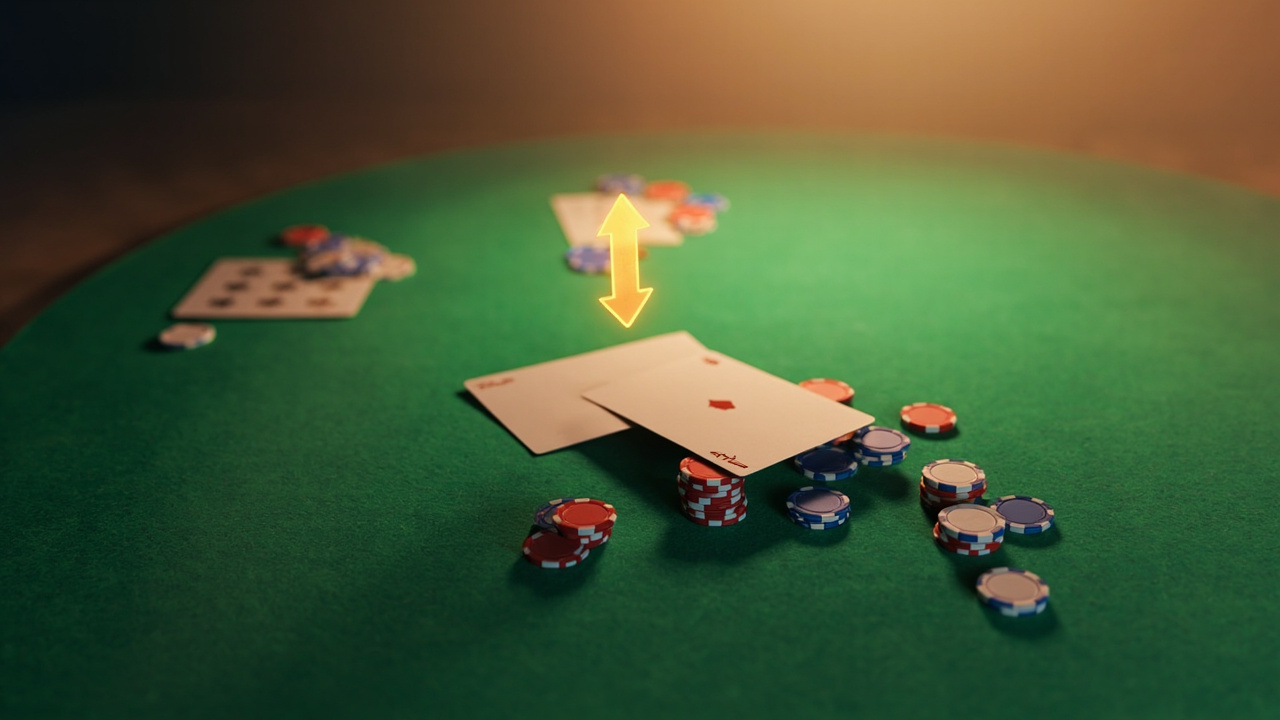
A prize isn’t a miracle; it’s a decision you made earlier in the session, written into your limits and your exit plan. I’ve shipped games where the bonus buy felt exciting on paper and flat in practice, and I’ve also worked on titles where the free-spin pacing was deliberately stretched so the player could actually feel the rhythm. The difference between a session that pays out something useful and one that just burns time is usually discipline, not luck. Start with a bankroll you can afford to treat as entertainment money, not rent money, and break it into chunks that match the machine’s volatility instead of your optimism. If you’re playing a high-variance cabinet, expect long quiet stretches and don’t mistake them for a broken machine; if you’re on a softer hit-frequency game, expect more small returns and don’t confuse them with a trend. I’ve always told teams that a bonus round should feel like a punctuation mark, not the whole sentence, because a player who expects the bonus to carry them will usually walk away lighter. When you’re hunting how to win at pokies for prizes, the smartest move is often the one that looks boring: pick a game whose paytable you’ve actually read, set a win target that makes sense for the stake, and walk when you hit it. The floor will still be there tomorrow, and your bankroll will thank you for not treating it like a rescue mission.
- Pick a machine by its paytable and volatility, not by the loudest screen on the row.
- Set a loss limit and a win target before the first spin, and treat both as non-negotiable.
- Use the venue’s session and deposit controls as soon as you sit down, not after the session gets busy.
- Keep verification and privacy settings visible, and ask support a direct question before you fund the account.
- Walk when your target hits or your limit bites, because the next spin is never a refund.
There’s no secret handshake that turns a pokie into a money tree, and anyone who tells you otherwise is selling a story that doesn’t survive a paytable. I’ve built enough cabinets to know that the maths stays honest even when the theme gets loud, and the only real edge is knowing your limits, reading the floor, and leaving before the session turns into a tax. If you want a fair go, give yourself one first: set your bankroll, use the controls, and treat every prize as a bonus rather than a promise. That’s the only approach that keeps the game fun and the night intact.